A 50-page integrated marketing plan for a North Shore shark-dive operator
I wrote the integrated marketing plan for Go Adventure Hawaii during my marketing internship: a brand audit, six buyer personas, a StoryBrand campaign, a social media plan, a merchandise line, and an AI phone assistant, in one document.
The brief
Make every touchpoint tell the same story
Go Adventure Hawaii runs small-group shark dives, whale watches, snorkel tours, fishing charters, sunset cruises and custom day trips from Haleiwa Harbor on Oʻahu’s North Shore. In a market full of high-volume tourist operators, its strength is intimacy: groups of six or fewer, a knowledgeable crew, ocean education and genuine local hospitality.
The brief was to bring brand messaging, visuals, merchandise, social media and customer communication into one plan, so that a guest’s experience is consistent from the moment they search “things to do in Oahu” to the moment they leave with photos and a souvenir.
Real ocean, real stories, real local connection.
Guests are guided with clarity, care and expert knowledge.
Visitors do not just watch the ocean. They become part of it.
The audit
Strong reviews, weak discoverability
I started by evaluating every marketing asset the business already had: logo, palette and typography, the website, review sites and social channels. The pattern was consistent. Guests loved the experience, and almost no one could find it by searching.
Website
Clear navigation to each tour, but it needs work on mobile. Page titles lacked high-intent phrases like “swim with sharks Oahu” and “Haleiwa whale watching”. No embedded reviews, and no blog.
Social
Instagram is the main discovery channel for millennial travelers (46% base decisions on it). Facebook was quiet, posting was infrequent, hashtags were minimal, and there was no paid social or influencer activity.
Brand
A strong, versatile logo and an earthy ocean palette, but no shared color or type rules across web and social, and a tagline with little emotional pull.
What guests mention most in Yelp and Google reviews
Approximate mention counts, read from the chart in the plan.
Monthly search volume by keyword
The head term is huge and contested. The winnable searches are specific.
Finding: Go Adventure Hawaii ranks well on Yelp and TripAdvisor but inconsistently on page one of Google. Competitors win the long-tail searches with a stronger blog and more backlinks. Recommendation: cluster content around “swim with sharks Oahu,” “cage-free shark dive” and “Haleiwa tours,” with internal linking and tightened metadata.
Positioning
Own the space between thrill and conservation
The two nearest competitors in Haleiwa Harbor sit at opposite ends. One sells adrenaline; the other sells conservation at a higher price. Go Adventure Hawaii can credibly sit in between, because it has small groups and a crew that teaches.
| Operator | Positioning | Differentiator | Weakness |
|---|---|---|---|
| Competitor A | Thrill-focused | Cage diving | Larger groups |
| Competitor B | Conservation-focused | Marine biologist team | Higher prices |
| Go Adventure Hawaii | Education plus adventure | Small groups (max 6), local crew | Limited brand reach |
That gap, education plus adventure with exceptional reviews, became the core of the brand story.
Brand kit
A palette, two typefaces, and a tagline with feeling
To fix the inconsistency across web and social, I proposed a small brand kit: three colors that keep the ocean palette but add one brighter accent for energy online, a header and body typeface, and a tagline.
Typography
Montserrat for headers, Lato for body text. A modern sans pairing that stays legible on a phone.
Brand tagline
“Discover the Ocean, Not Just the Thrill.” It says what makes the operator different from the competition.
Campaign tagline
“Face Your Fear. Find the Magic.” Used for the shark-dive campaign, where the emotional journey is the product.
Buyer personas
Six guests, six ways of finding the boat
Each tour attracts a different person with different search habits. I built one persona per tour from review data and Hawai’i Tourism Authority visitor statistics, covering who they are, what they want, what they value and how they discover and decide.
Ryan & Emily Carter
Pelagic shark dive
- Age
- 26–35
- From
- San Diego, CA (82.1% return rate, U.S. West)
- Household income
- $100K–$150K
- Education
- College+ (70% of visitors)
- Group size
- 2
- Books
- 1–3 weeks before the trip
- Satisfaction
- 7.53 average
Motivations
- Overcome fear and turn it into awe
- Experience wildlife authentically and safely
- Capture professional underwater photos to share
Values
- Eco-conservation and education
- Small-group intimacy and safety
- Local guides over corporate operators
Digital behavior
- Finds tours through Instagram and Google reviews
- 67% prefer guest photos; 36.7% mention photography packages
- Reads several reviews before booking
Chris & Amanda Lewis
Whale watch safari
- Age
- 30–45
- From
- Seattle, WA
- Household income
- $120K+
- Group size
- 2–4 (couple with kids, or friends)
- Return likelihood
- 67–70%
Motivations
- Witness whales in their natural environment
- Share an awe-inspiring, family-friendly day
- Support eco-tourism while learning about marine life
Values
- Safety and environmental respect
- Knowledgeable guides
- Trust in the crew's expertise and briefings
Digital behavior
- Searches “things to do in Oahu” and “whale watching Haleiwa” (1K–10K monthly volume)
- Prefers family-oriented video on social media
Michael & Sophia Torres
Sunset safari cruise
- Age
- 28–40
- From
- New York, NY (64.5% return rate, U.S. East)
- Household income
- $90K–$130K
- Education
- College-educated professionals
- Group size
- 2 (a couple)
Motivations
- Celebrate a honeymoon or anniversary
- Enjoy a peaceful evening with ocean views
- Combine adventure with relaxation
Values
- Intimacy and aesthetics
- Memorable photography
- Low physical demand, high visual payoff
Digital behavior
- Booked after seeing sunset cruise reels on Instagram
- Reads romantic travel blogs and relies on user photos
A family of three to four
Snorkel tour
- Age
- 32–42
- From
- Los Angeles, CA
- Household income
- $100K
- Children
- 1–2, ages 8–14
- Group size
- 3–4
Motivations
- Introduce the kids to Hawaii's marine life
- Enjoy safe, guided ocean exploration
- Capture fun family memories
Values
- Safety and learning
- Family bonding and affordability
- Low physical demand, high visual payoff
Digital behavior
- Finds tours through Google: “family snorkel Oahu”
- Reads Yelp reviews that mention “kids,” “safe,” and “easy to book”
Mark Reynolds
Deep sea fishing
- Age
- 35–50
- From
- Colorado or Arizona
- Household income
- $120K–$180K
- Group size
- 3–5 (friends or family)
Motivations
- Combine sport and camaraderie
- Experience a bucket-list fishing charter
- Learn from local experts
Values
- Learning and authenticity
- Teamwork and results
- Storytelling
Digital behavior
- Finds tours on YouTube: “Oahu fishing charter”
- Checks photos of caught fish and equipment before booking
Olivia & James Patel
Custom day trip
- Age
- 33–45
- From
- Sydney, Australia or London, UK
- Household income
- $150K+
- Education
- Post-graduate or professional degree
- Group size
- 2–4
Motivations
- Cultural immersion beyond the typical tour
- Flexibility and private guidance
- Interest in marine biology, Hawaiian history and photography
Values
- Learning, authenticity and storytelling
- Sustainability and exclusivity
- Personalization
Digital behavior
- Searches “private Oahu tour” and “eco adventure Hawaii”
- Reads TripAdvisor and travel-blog reviews
The campaign
The guest is the hero. The crew is the guide.
The shark-dive campaign uses Donald Miller’s StoryBrand framework. Instead of positioning Go Adventure Hawaii as the hero, it casts the guest as the hero and the business as the trusted guide who helps them face a fear.
A millennial couple or small group who dreams of connecting with Hawaii's ocean life but feels nervous about sharks and open water.
External: sharks and deep-ocean fear. Internal: doubt and hesitation. Philosophical: everyone should be able to experience the ocean safely and respectfully.
A calm, knowledgeable crew. The owner stays behind the scenes; the crew are the human face of the brand.
Book the dive, prepare and learn in a short briefing, dive safely in a small group, then leave transformed.
Guests resurface braver, with photos and a story they will keep telling.
You arrive at Haleiwa Harbor as the sun rises over the ocean… You came here to face your fear, and instead, you found magic.
From the brand story copy written for the website and ads
Calls to action: “Book Your Shark Dive Today” as the direct ask, and “Learn What It’s Like to Swim Cage-Free with Sharks” as the softer one. Every channel should move the customer’s story forward, not the company’s.
More from the plan
Two parts deserve their own page
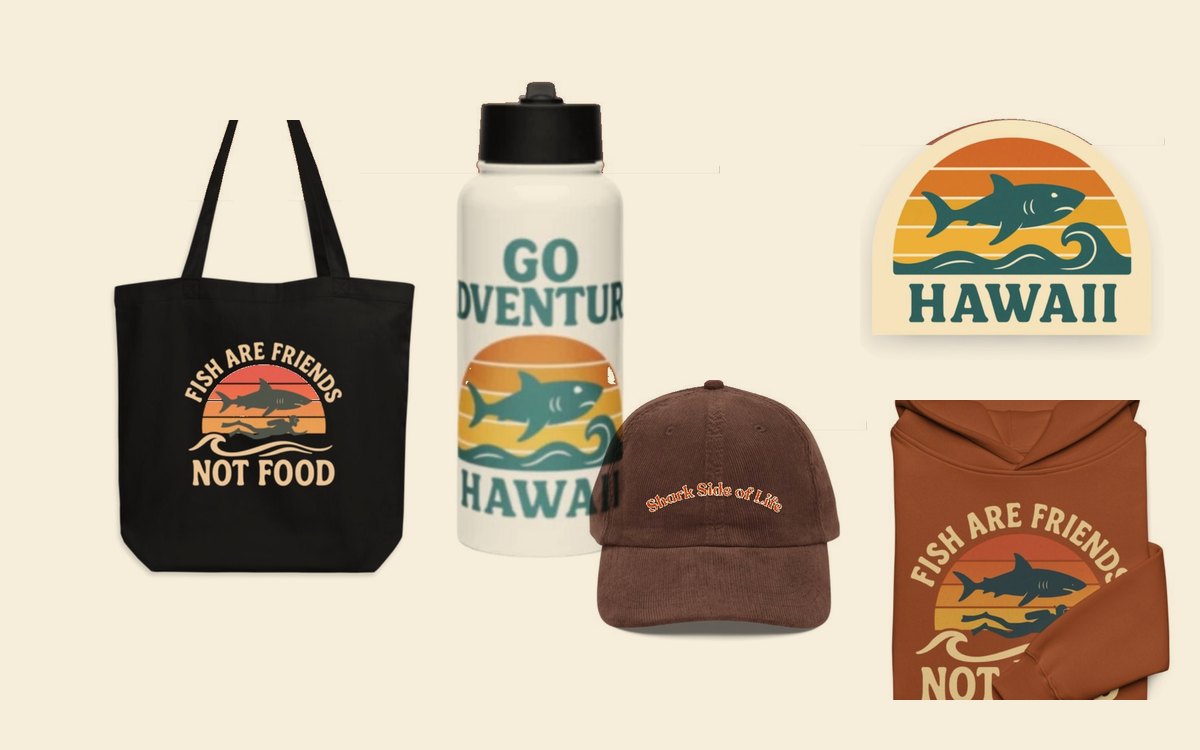
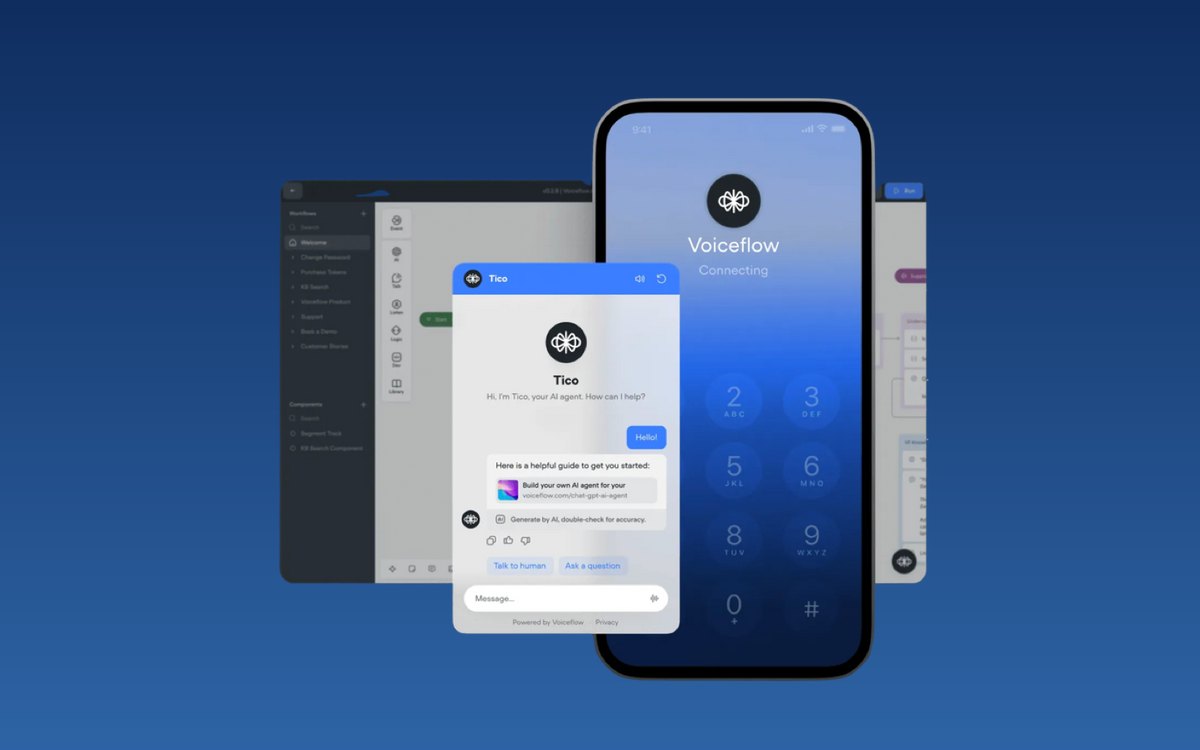
The merchandise line and the AI phone assistant were substantial enough to be written up separately.
The full plan
Flip through all of it
This is the deliverable as it was handed in, page by page. Jump by chapter, or use the arrow keys.
A few utility pages (contents page, console screenshots, duplicates) are left out of this viewer.
Sources
What the plan draws on
- Hawai’i Tourism Authority and DBEDT, Visitor Satisfaction and Activity Report, Q3 2024, and December 2024 visitor statistics.
- Tripadvisor Traveler Trends Report 2023; Condor Ferries millennial travel statistics; Future Market Insights, Hawai’i tourism spend analytics.
- The client’s own website, Yelp and Google reviews, and social channels, plus keyword search-volume data.
- Donald Miller, Building a StoryBrand (2017).
Tip: press ← → to flip between case studies
Social media plan
Tourists float. Locals dive.
The social plan targets one person: the adventurous millennial couple, aged 24 to 35, who books trips with intention and watches TikTok and Instagram Reels. The value proposition fits on one line: More ocean. More connection. Less tourist trap.